
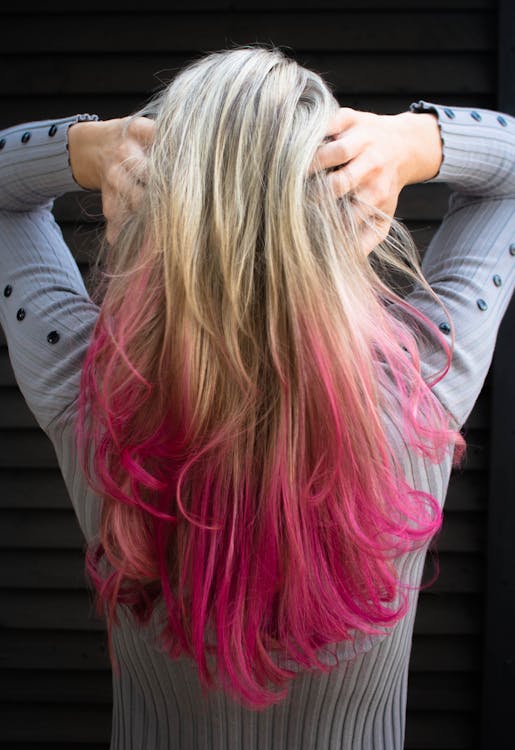
Yes, sleeping late at night can have a negative effect on your hair.
Some possible effects include:
• Increased hair loss: Lack of sleep can increase levels of a hormone called cortisol, which is linked to hair loss.
• Slower hair growth: During sleep, your body produces new cells and repairs damaged tissue. This includes your hair follicles. When you don't get enough sleep, these processes slow down, which can slow down hair growth.
• Hair becomes dry and brittle: Lack of sleep can reduce blood flow to your scalp, depriving your hair follicles of nutrients and oxygen. This can lead to dry, brittle and dull hair.
• Increased dandruff: Lack of sleep can increase oil production on your scalp, which can lead to dandruff.
There are steps you can take to reduce the effects of a late night sleep on your hair:
• Try to get 7-8 hours of sleep every night.
• Create a regular sleep schedule and stick to it as much as possible.
• Avoid caffeine and alcohol before bed.
• Create a relaxation routine before bed.
• Make sure your bedroom is dark, quiet and cool.
It's important to talk to a dermatologist if you're experiencing hair loss or other hair problems. They can help diagnose the root cause of your problem and recommend treatment options.
Remember, the health of your hair is a reflection of your overall health. Eating a healthy diet, exercising regularly and getting enough sleep will help your hair look and feel its best.

 982.938 SRY